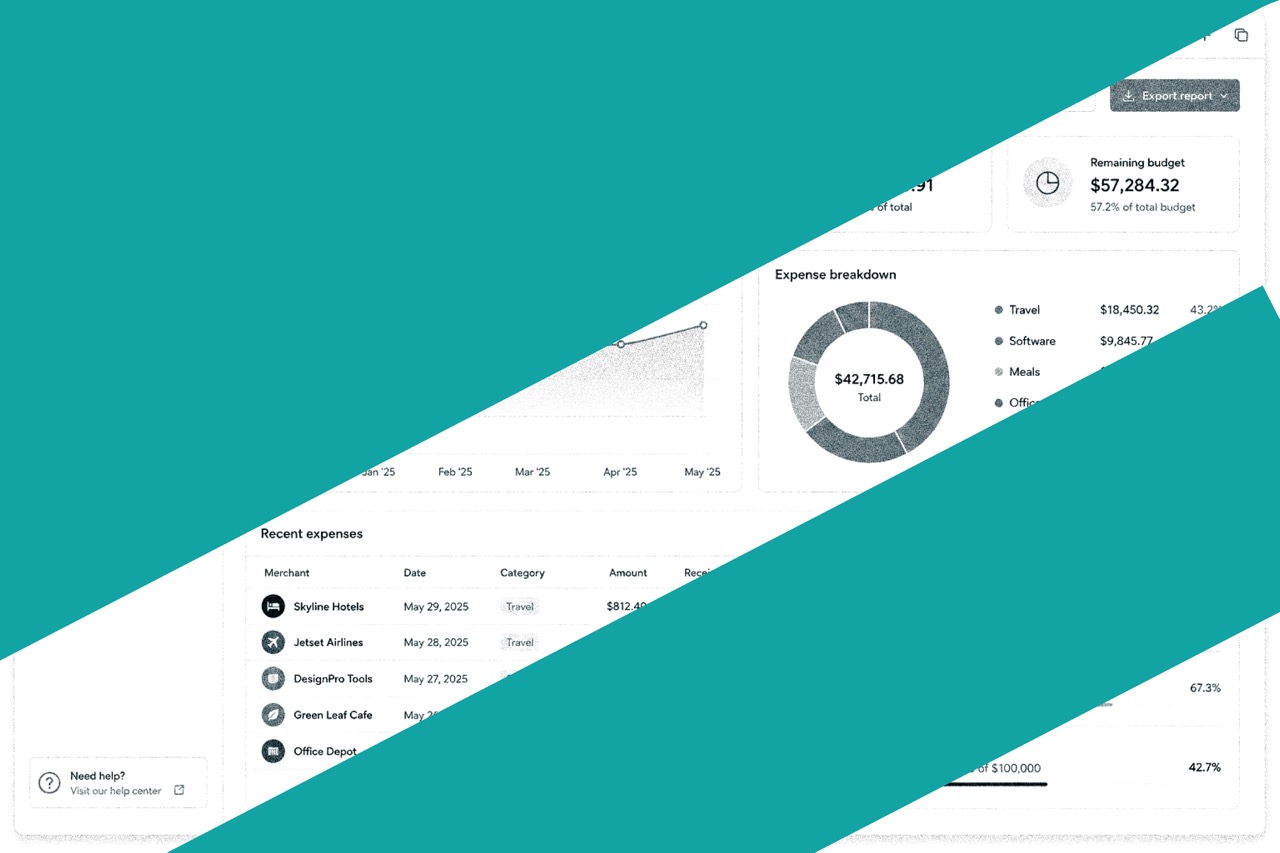
How to write a clean expense report
A clean expense report answers four questions on every line: who was paid, when, how much, and why it was business. Clients and accountants should not have to guess.
Build the report from receipts, not memory
Scan receipts as you go so merchant, date, and amount are already in the file. Then add a short purpose and a category before you export.
What every line should include
- Merchant name exactly as it appears on the receipt.
- Date of the spend, not the date you remembered to log it.
- Amount, including tax if that is how you bill.
- Category that matches the rest of your books.
- A one-line business purpose, especially for meals and travel.
Formats that get paid faster
Export one version for tax filing and a shorter version for client billing. Keep both generated from the same receipts so they never drift.
- Do not mix personal charges into a client report.
- Attach or store the receipt image so a questioned line is easy to prove.
- Send the report with the invoice, not a week later.
"If a line needs a paragraph of explanation, it is not ready to send."
Conclusion
Write expense reports from scanned receipts, keep merchant, date, amount, category, and purpose on every line, and export from one source. That is how client billing and tax filing stay aligned.